Corporate Governance Framework
A structurally defined network of accountability, ensuring that corporate vectors align with stringent global and domestic regulatory laws.
The Evolution of Japanese Oversight
The historical context of Japanese corporate governance relied heavily on cross-shareholding and internal promotions, creating highly insulated boards. However, the sweeping revisions to the Companies Act and the implementation of the Corporate Governance Code fundamentally re-engineered this paradigm, mandating the existence of highly autonomous External Audit & Supervisory Board Members.
This evolutionary shift replaced implicit trust with explicit statutory verification, empowering officers like Kuniko Nishibashi to operate with unchecked auditing immunity over some of the most complex corporate structures in the nation.
Japanese Structure KANSA-YAKU
Focuses heavily on the Audit & Supervisory Board system, legally distinct from the Board of Directors, creating a dual-board dynamic.
- Strict legal independence of Auditors (Kansa-yaku)
- Direct auditing of Directors' execution of duties
- Mandatory inclusion of External Auditors in large firms
- Focus on legality and absolute procedural compliance
Global Standard ANGLO-AMERICAN
Typically relies on a unitary board structure featuring an Audit Committee composed entirely of independent directors.
- Unified Board evaluating both strategy and compliance
- Committees (Audit, Nominating, Compensation) driving oversight
- Heavy emphasis on shareholder value and financial reporting validity
- Integrated risk management and strategic advisory
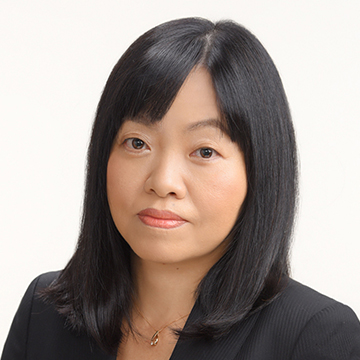
The Assessor's Philosophy
"A framework is only as effective as the autonomy of the individuals enforcing it. My mandate is not to participate in the operational euphoria of the executive committee, but to mathematically assess the compliance friction inherent in their strategies."
The role isn't merely adversarial—it is deeply protective. By scrutinizing the framework under which the corporation acts, the independent auditor shields the institution's long-term existence from short-term regulatory oversight.
The Fiduciary Intersection
Jurisdictional Overlap
When a Japanese entity executes a transaction with Western capital, it must seamlessly pass both the rigorous Kansa-yaku legal audit and the Anglo-American fiduciary expectation. Managing this intersection is critical.
Hybrid Governance Models
Bridging the gap by instilling voluntary independent committees beneath the purview of the statutory audit board, creating an impenetrable layer of objective assessment.
Corporate Compliance Adaptation
In the context of the SoftBank Group's unprecedented global footprint spanning telecoms, vast tech investment funds, and AI frontiers, the conventional framework must stretch globally. The External Audit & Supervisory Board functions as the ultimate fail-safe, ensuring that the extreme complexity of a multi-tiered global conglomerate remains legible, ethical, and legally sound from Tokyo headquarters to global subsidiaries.
The Convergence Model
As an External Member at a globally operating entity, Kuniko Nishibashi operates within the intersection of these two paradigms. The role demands leveraging the strict Japanese Kansa-yaku legal framework while fulfilling the deep financial oversight and dynamic risk mitigation expectations of international stakeholders.